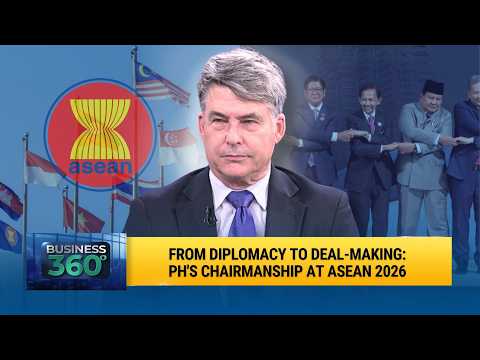
The Philippines Pushes for Customs Digitalization Ahead of ASEAN 2026 Chairship




The Government of the Philippines is stepping up its customs modernization efforts as it assumes the ASEAN Chairship in 2026, with a strong focus on digital reforms and international partnerships aimed at improving efficiency, transparency, and revenue performance. As part of efforts to stabilize its fiscal trajectory and strengthen customs enforcement, the Philippines Bureau of Customs (BOX) established the Commissioner’s Strategic Advisory Office, a centralized unit designed to consolidate data and intelligence from internal units, foreign counterparts, and confidential informants. The office is intended to support real-time risk analysis and policy adjustments in response to evolving global trade dynamics. At the operational level, the BOC is advancing key digital initiatives, including the development of the Customs Processing System (CPS), which aims to further simplify trade procedures, reduce manual handling, and lower compliance costs. The BOC is also strengthening global partnerships to modernize e-commerce processes through the Joint Programme on Inclusive, Competitive and Responsible Digital Philippines (JP Digital-PINAS) with the International Trade Centre and other UN partners. The initiative focuses on developing an ICT-enabled e-commerce clearance system that enhances trade facilitation while supporting MSMEs’ participation in the digital economy. To achieve full digitalization, the BOC plans to leverage the public-private partnership (PPP) mechanism, recognizing that complete automation is critical to curbing corruption and smuggling and aligning Philippine customs operations with international standards. As ASEAN Chair, the Philippines is expected to champion initiatives that strengthen supply chain resilience and reduce friction in cross-border trade.