Philippine Government Responds to Middle East Conflict and Fuel Price Pressures



On March 23, President Ferdinand Marcos Jr. declared a state of national energy emergency, citing that the conflict in the Middle East poses an imminent danger to the country’s fuel and power supply. The government has introduced a series of measures aimed at easing near-term supply and price pressures while preserving longer-term energy security. Despite these interventions, rising fuel costs have already triggered protests among transport workers and increased pressure on the government to expand relief measures. Analysts note that while subsidies and conservation policies provide short-term relief, they may be difficult to sustain if global oil disruptions persist.
Affected member companies should ensure operational and contractual readiness by reviewing power agreements, scenario-planning costs under upcoming regulations, and adjusting timelines for the temporary four-day government work week and virtual engagements for ASEAN-related events.
Fuel Subsidies and Tax Relief:
As a net oil importer, the Philippines remains highly exposed to supply shocks. The government’s primary response has been to extend fuel subsidies and targeted financial assistance to vulnerable sectors, particularly transport operators and farmers. In addition, policymakers are pursuing mechanisms to moderate fuel prices.
On March 25, President Marcos signed legislation authorizing the temporary suspension or reduction of fuel excise taxes during periods of economic emergency, following the March 10 approval of the measure by a House panel. While the measure aims to lower fuel costs, industry participants caution that any price relief is unlikely to be immediate and could take several days or weeks to reach consumers.
Energy Conservation and Power Market Measures:
To manage demand, the government is implementing a temporary four-day work week for select public sector agencies. The measure is accompanied by restrictions on non-essential travel and directives requiring government agencies to reduce energy consumption by 10 to 20%.
The government has also intervened in the electricity market. The Wholesale Electricity Spot Market has been suspended across all three grids since March 26, and a Modified Administered Pricing mechanism will take effect on April 1. Authorities have also intensified nationwide enforcement against hoarding and profiteering.
Supply Diversification and Emergency Procurement:
On March 27, President Marcos confirmed that the country has sufficient crude oil supply until June 30. Emergency procurement is underway and the government is pursuingalternative sourcing strategies and contingency measures to reduce reliance on traditional Middle Eastern imports. The Philippines is currently exploring new fuel supply agreements with regional partners such as India, China, Japan, South Korea, Thailand and Brunei while also allowing the limited use of lower-grade (Euro II) fuels for certain sectors to maintain supply continuity. An initial fuel shipment has already been received, including a vessel carrying more than 700,000 barrels of Russian crude. The Philippines is also coordinatingwith the United States to secure waivers that would allow it to import oil from sanctioned countries.
In addition, the President certified as urgent amendments to the Biofuels Act to allow temporary importation of biofuel components to address rising fuel costs and supply volatility.
Crisis Committee:
The President officially ordered the creation of a crisis committee to find ways to prevent a disruption in the country’s oil and fuel supply. The committee will also ensure the orderly movement of fuel, food, medicines, agricultural products, and other essential goods, and ensure the effective operation of public services.
ASEAN Engagements:
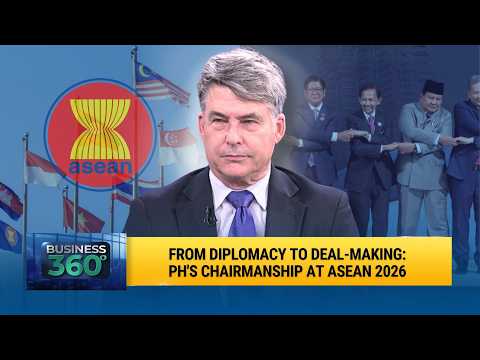
On March 27, the Philippines announced the virtual conduct of all preparatory meetings for the 48th and 49th ASEAN Summit and Related Summits. The May ASEAN Leaders' Summit in Cebu will proceed, but in a reduced format, focused exclusively on energy security, food security, and migrant workers. Approximately 650 preparatory meetings will now be held virtually, including several ministerial meetings in which USABC is actively engaged, such as the ASEAN Finance Ministers and Central Bank Governors Meeting, ASEAN Economic Ministers, ASEAN Ministers on Energy Meeting, and ASEAN Transport Ministers Meeting. Meetings hosted by other ASEAN Member States are still anticipated to proceed in-person.
Official References:
Memorandum Circular 114: Four-Day Workweek and Energy Conservation (March 6)
Executive Order 110: State of National Energy Emergency (March 24)
Republic Act 12316: Fuel Excise Tax Suspension Authority (March 25)
Energy Regulatory Commission Order: WESM Suspension and Modified Administered Pricing (March 26)
Memorandum from the Executive Secretary and Chairperson of ASEAN NOC 2026: Recalibration of the ASEAN 2026 Summits and Related Meetings (March 26)